01
Open the file
Receive the original briefing, scene records and persons of interest.
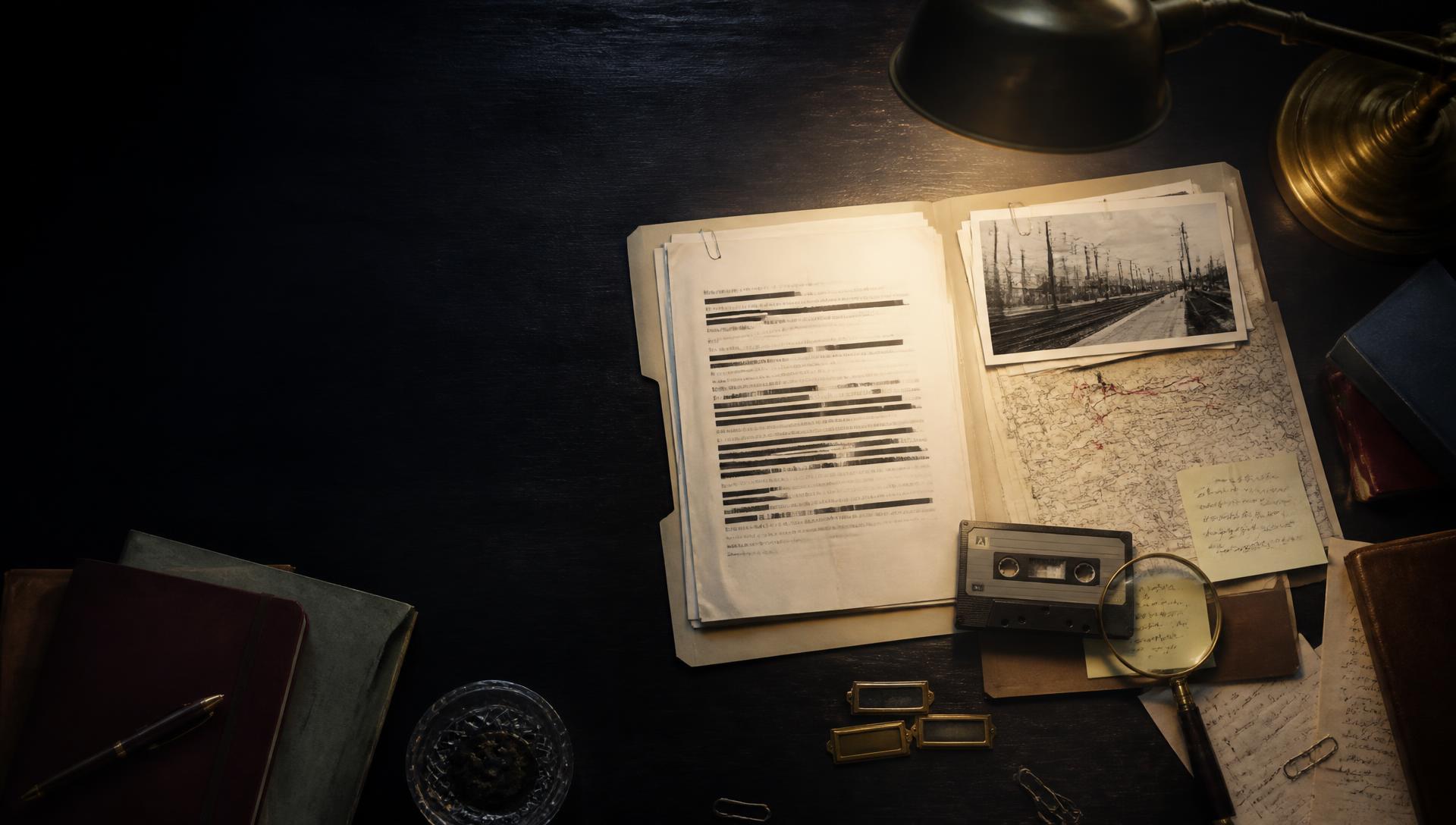
Online cold-case investigations
Evidence notice · The Case Desk
Case 1 is completely free
No card required. No trial. Your progress is saved.
Examine the evidence. Question every account. Build the timeline. File your theory.
14 cases live · Case 1 completely free · No card required · Progress saved
Case file · CC-1987-114
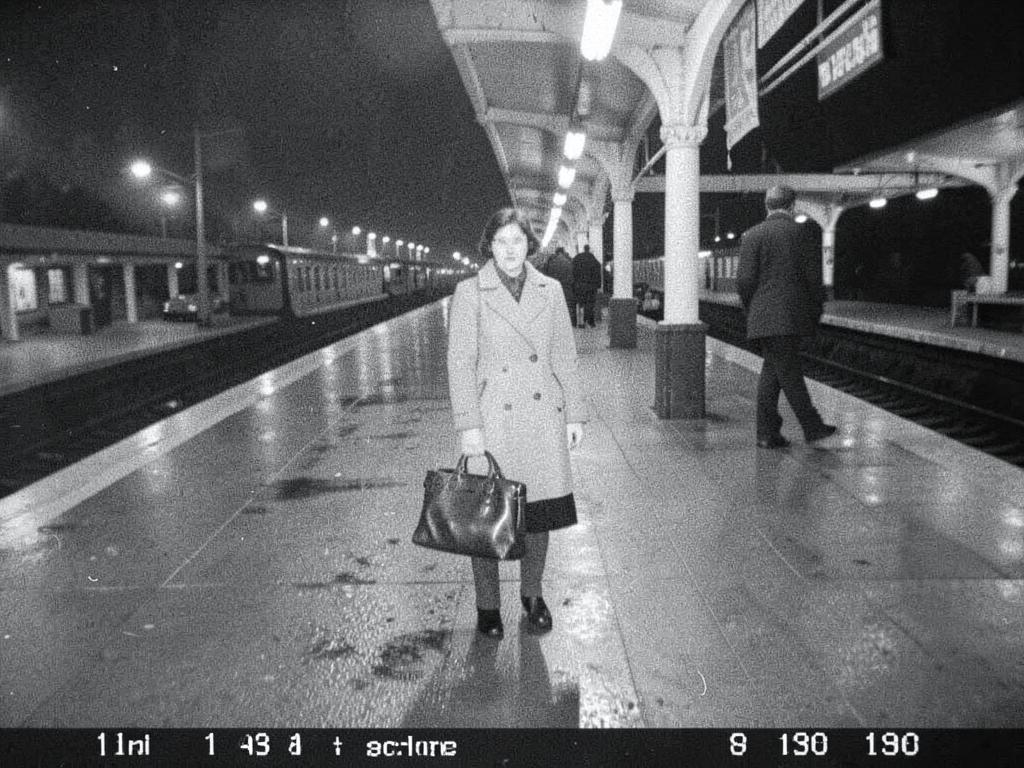
The Missing Passenger
Original status
Missing personLocation
Ravensmoor lineFeatured investigation
CC-1987-114
One passenger boarded the final train from Ravensmoor. The train never stopped—but she never arrived.
Investigative method
No hidden-object guessing. Read the record, test the testimony and build a theory that survives the evidence.
Receive the original briefing, scene records and persons of interest.
Examine evidence, interview suspects, test alibis and record contradictions.
Construct a timeline, connect evidence and consult DS Vale without being handed the answer.
Name the culprit, explain what happened and receive your score, rank and case certificate.
Caseload roadmap
14 complete investigations are live today. Volume 1 of the Case Desk archive is complete: ten full investigations, from your first timeline to a prosecution-standard reconstruction. Cases 11 to 14 are open: The County Line, The Salt Line, The Night Shift and Switchback.
The archive expands
The Case Desk opens its investigations in volumes. Each volume contains ten complete fictional cold cases connected by a distinctive setting, atmosphere and investigative world. Your progress, scores and certificates remain permanently preserved as the archive expands.
 10 cases · Complete collection
Volume 1
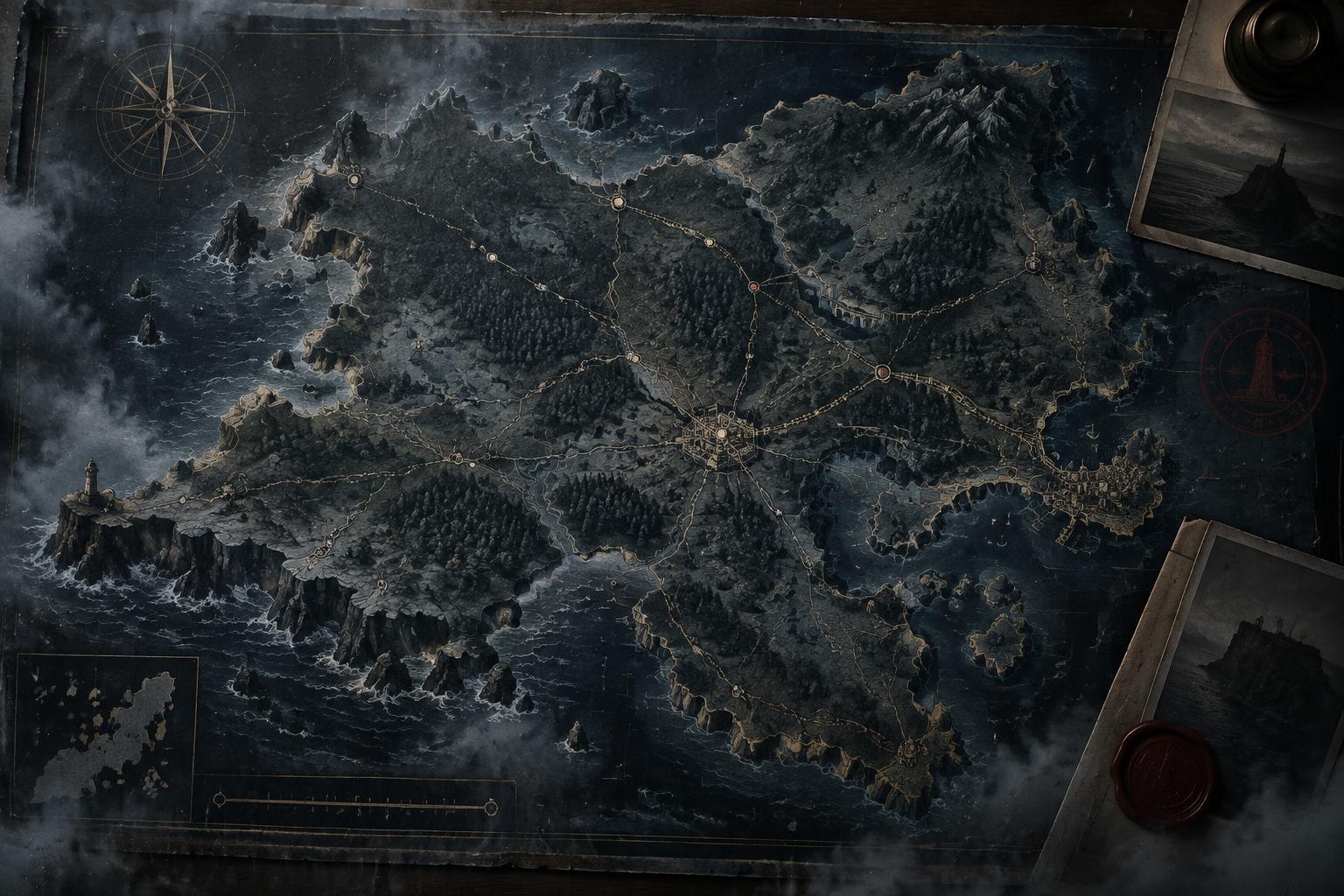
Begin in Ravenshire—a fictional British county of railway stations, harbour towns, isolated houses, old hotels and institutions built to protect their secrets.
Across ten increasingly demanding investigations, you will examine evidence, reconstruct timelines, challenge testimony and develop the skills required to become a Master Detective.
Ten British cold cases. One complete investigative journey.
Explore Volume 1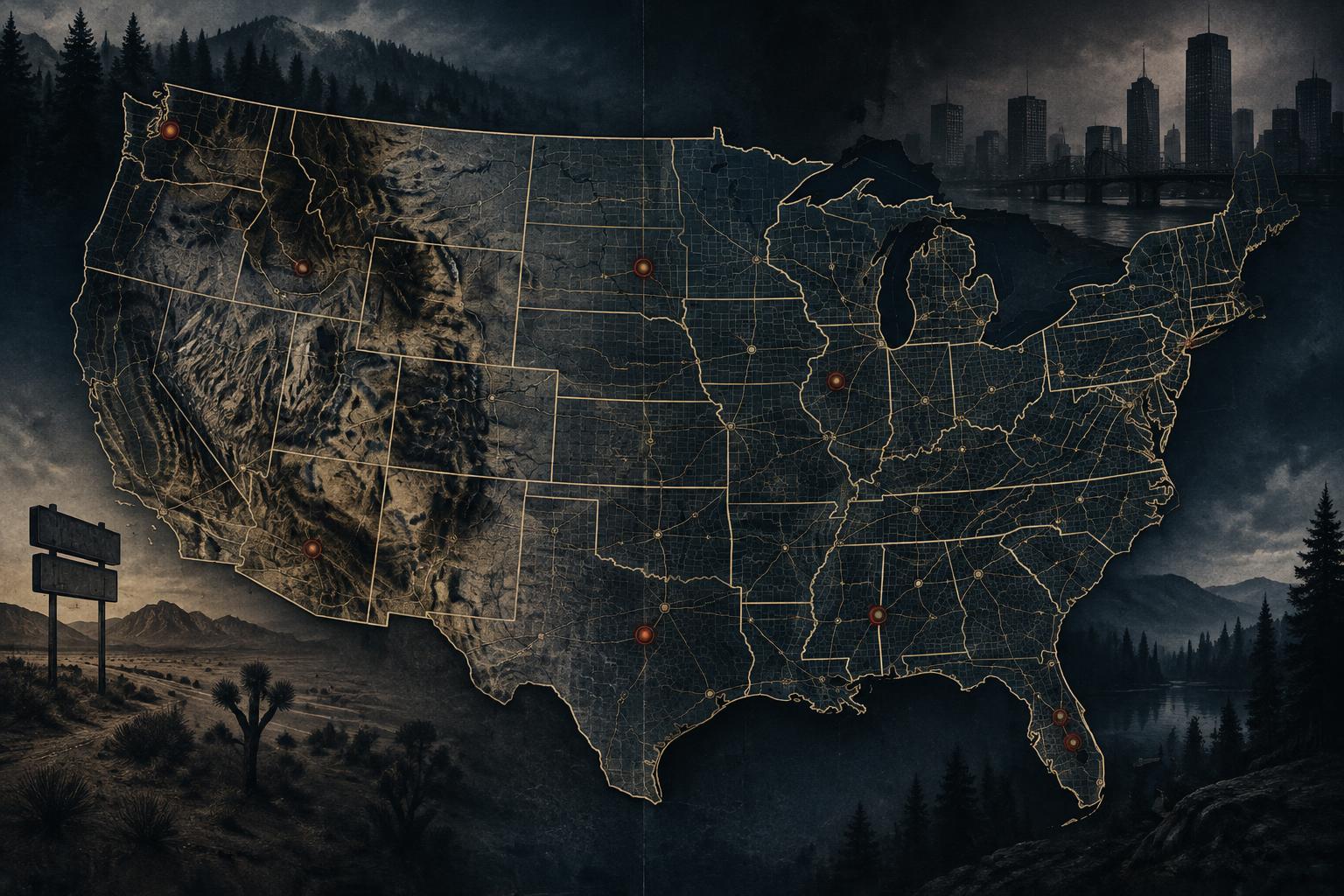 Now open · 4 of 10 cases released
Volume 2
The archive is crossing the Atlantic.
Ten fictional investigations take detectives across the United States—from coastal communities and crowded cities to mountain roads, desert counties, forests and remote northern settlements.
New jurisdictions. Greater distances. Different investigative challenges.
Ten new American cases. A completely new investigative world.
Cases 11 to 14 are open: The County Line, The Salt Line, The Night Shift and Switchback.
Explore Volume 2The American Files · Case list
Volume 2 is now open. Cases 11 to 14 are open. Ten American cases will make up the volume; the remaining files are released in sequence.
The County Line
A county clerk's car was found outside a closed diner. She never drove it there.
Experienced · 38 exhibits · 3–4 hours
Open caseThe Salt Line
The boat came home. The skipper didn't.
Advanced · 42 exhibits · 4–5 hours
Open caseThe Night Shift
Every record says nobody went in.
Expert · 46 exhibits · 5–6 hours
Open caseSwitchback
The road doesn't lie. People do.
Expert · 44 exhibits · 5–6 hours
Open caseClosed · Coming soon
Closed · Coming soon
Closed · Coming soon
Closed · Coming soon
Closed · Coming soon
Closed · Coming soon
Volume 1 · The Ravenshire Files · 001—010
Ten investigations from a fictional British county where quiet communities, old institutions and carefully preserved stories conceal unfinished crimes.
A passenger boards a train and never arrives.
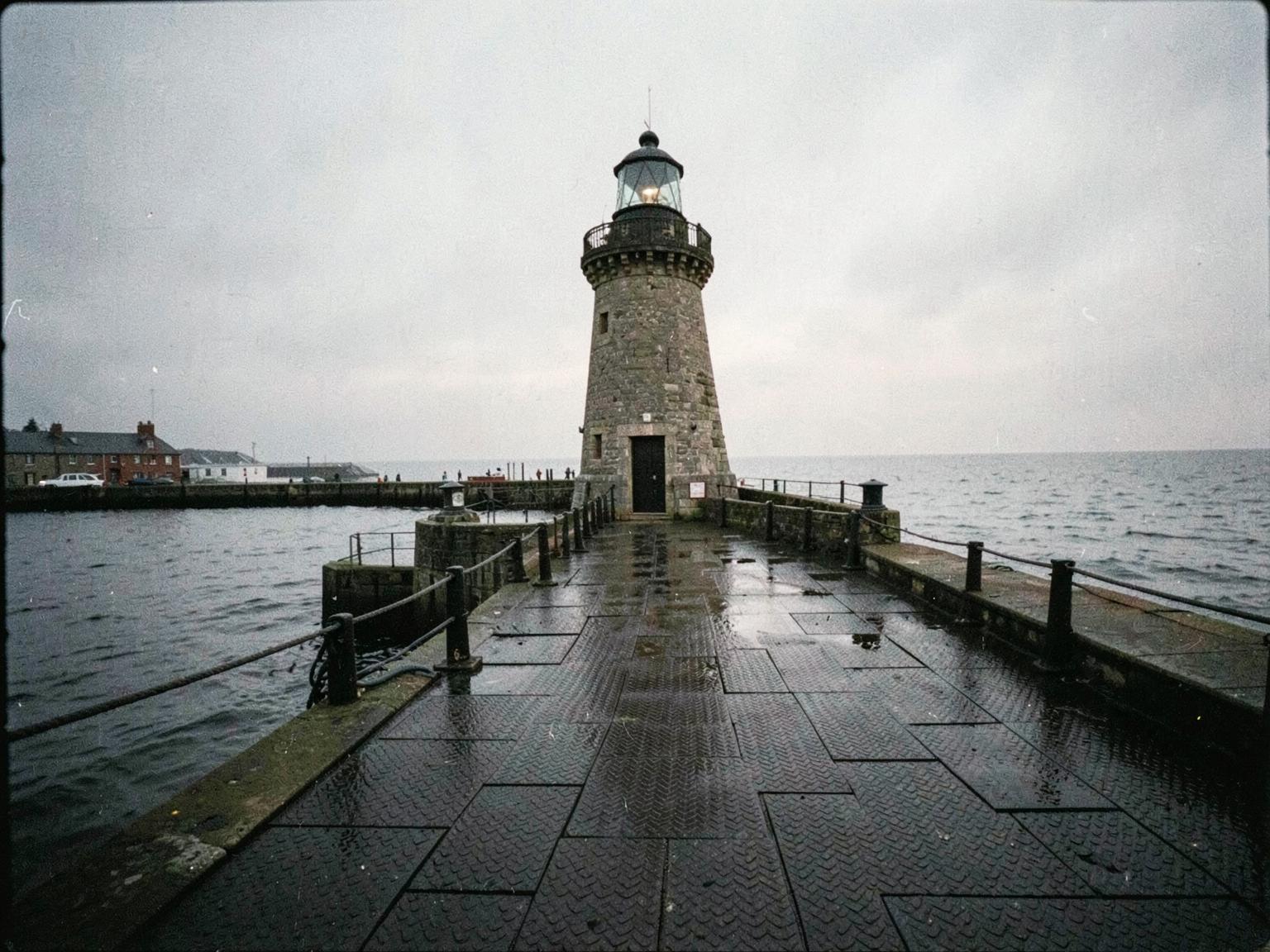
A death beneath a lighthouse gallery was dismissed as an accident.
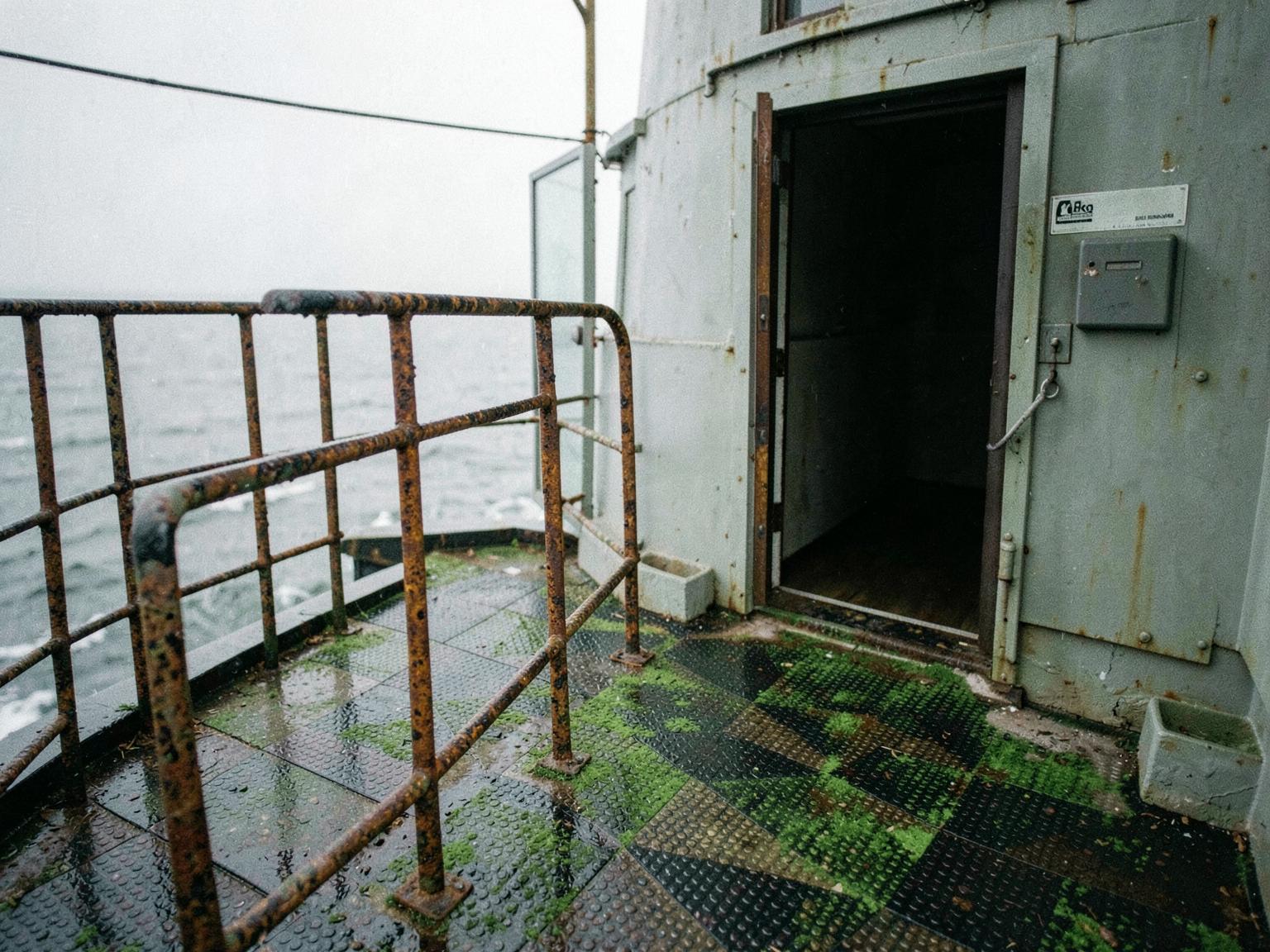
Six people attended the reunion. Their stories do not agree.
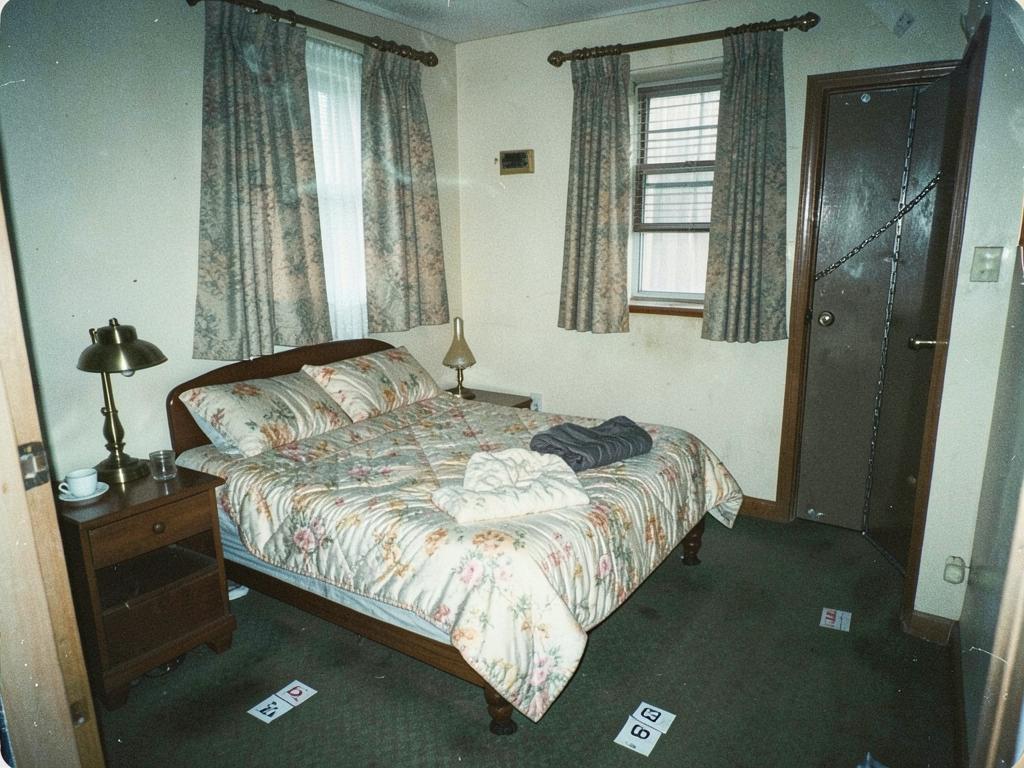
A locked hotel room conceals a route nobody recorded.
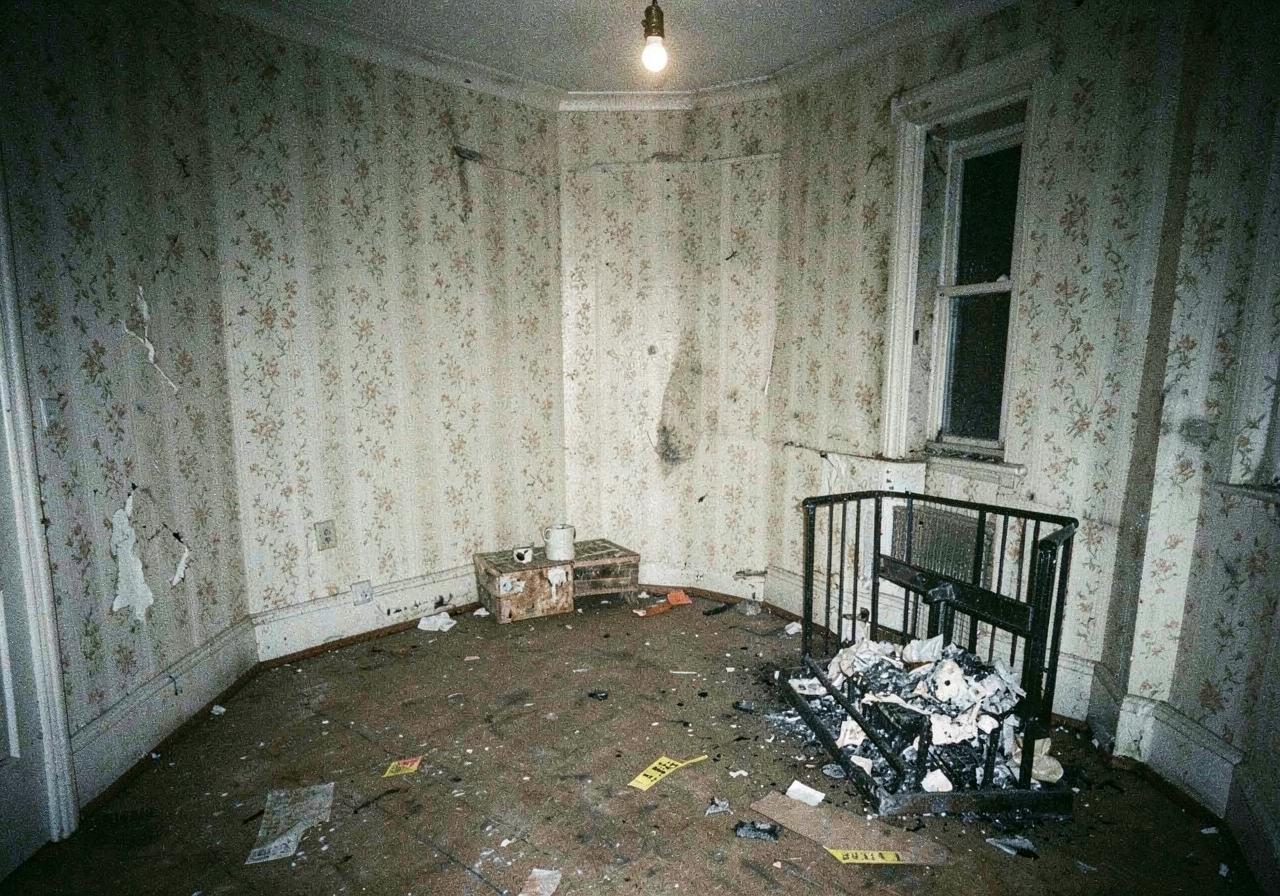
Police answered an emergency call from a house nobody admits existed.
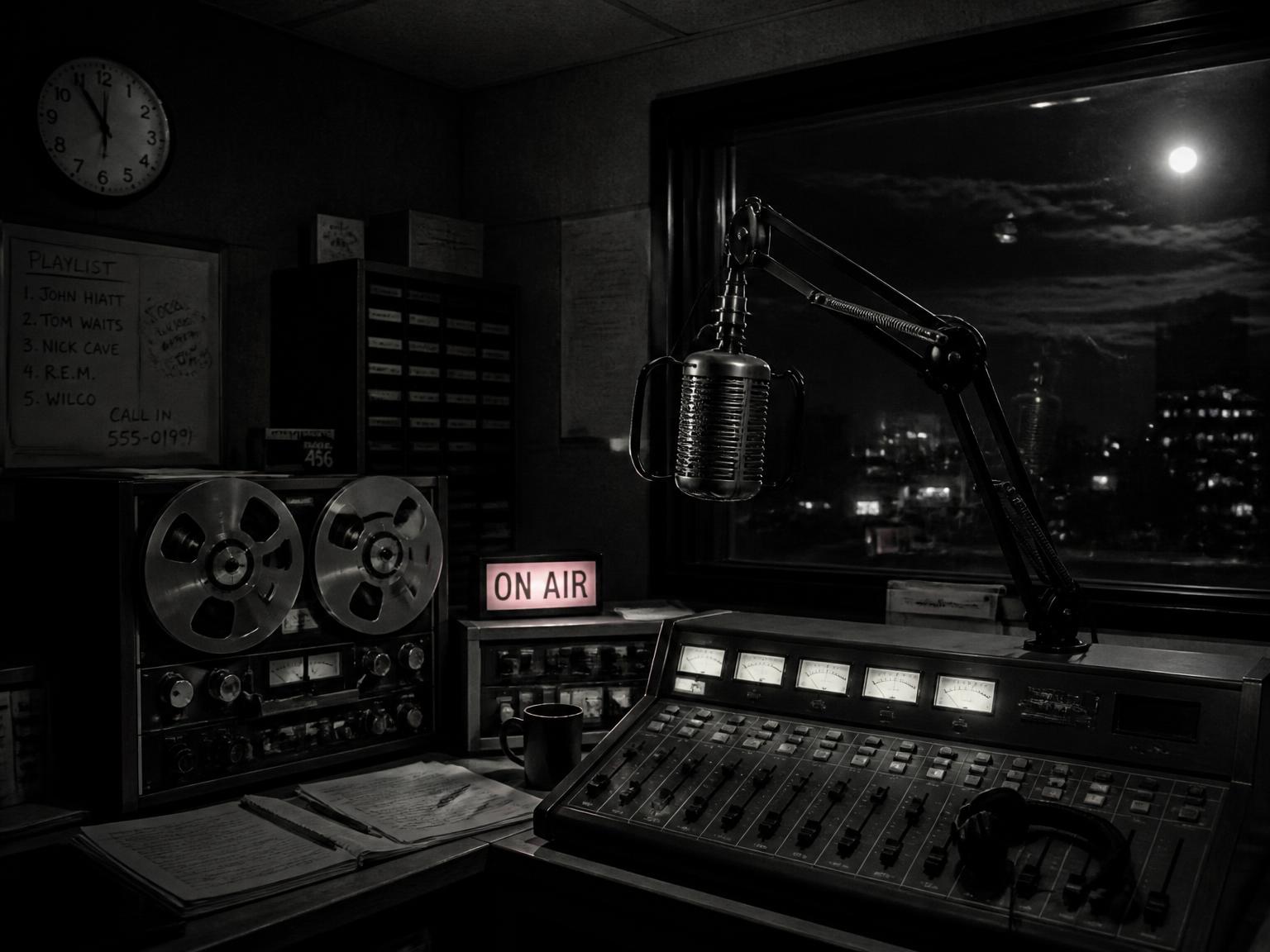
A presenter promises to expose a sixteen-year-old recording. Minutes later he is dead in a locked studio.
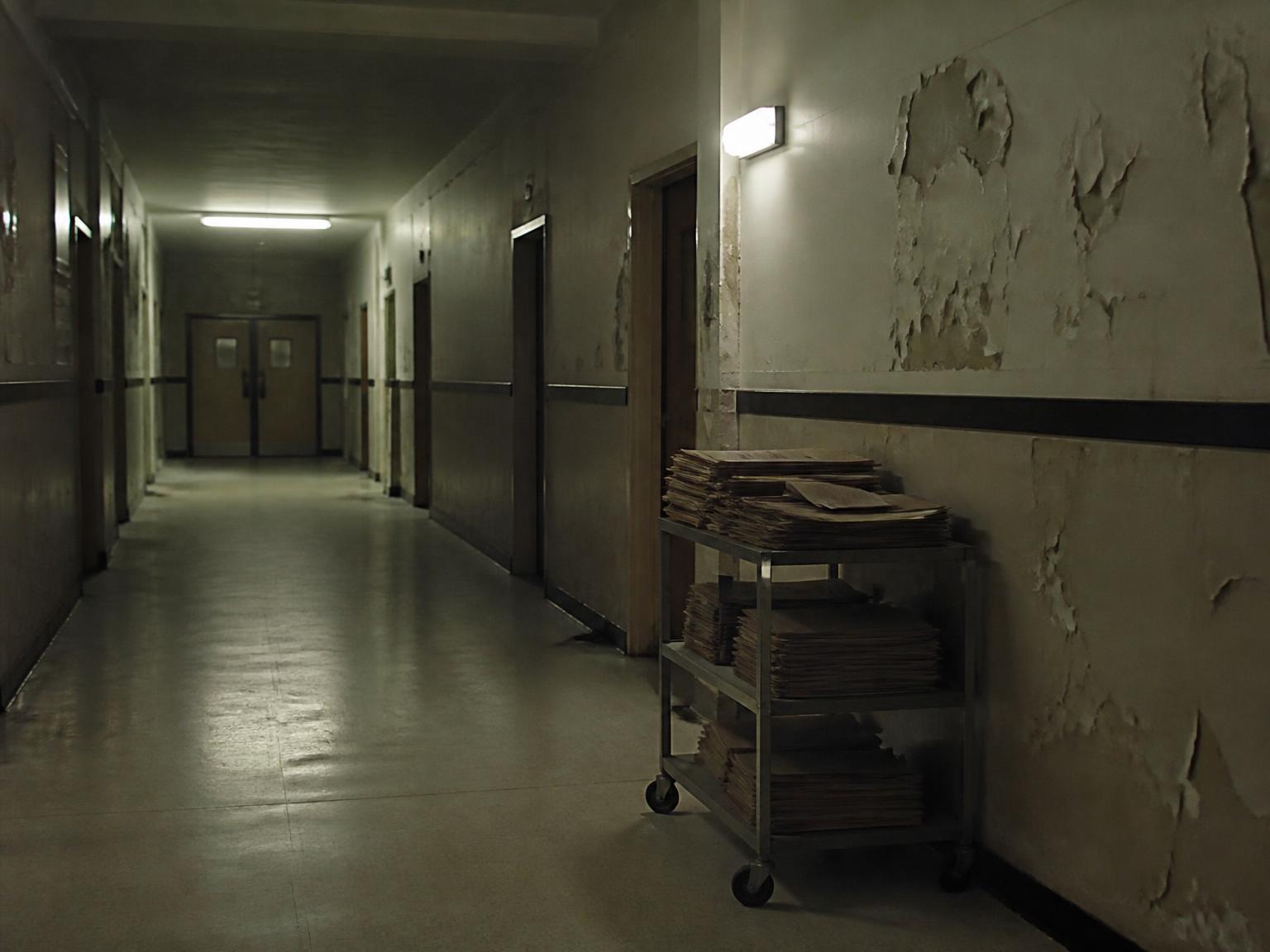
A records officer falls in a hospital wing that had been closed for eleven weeks.
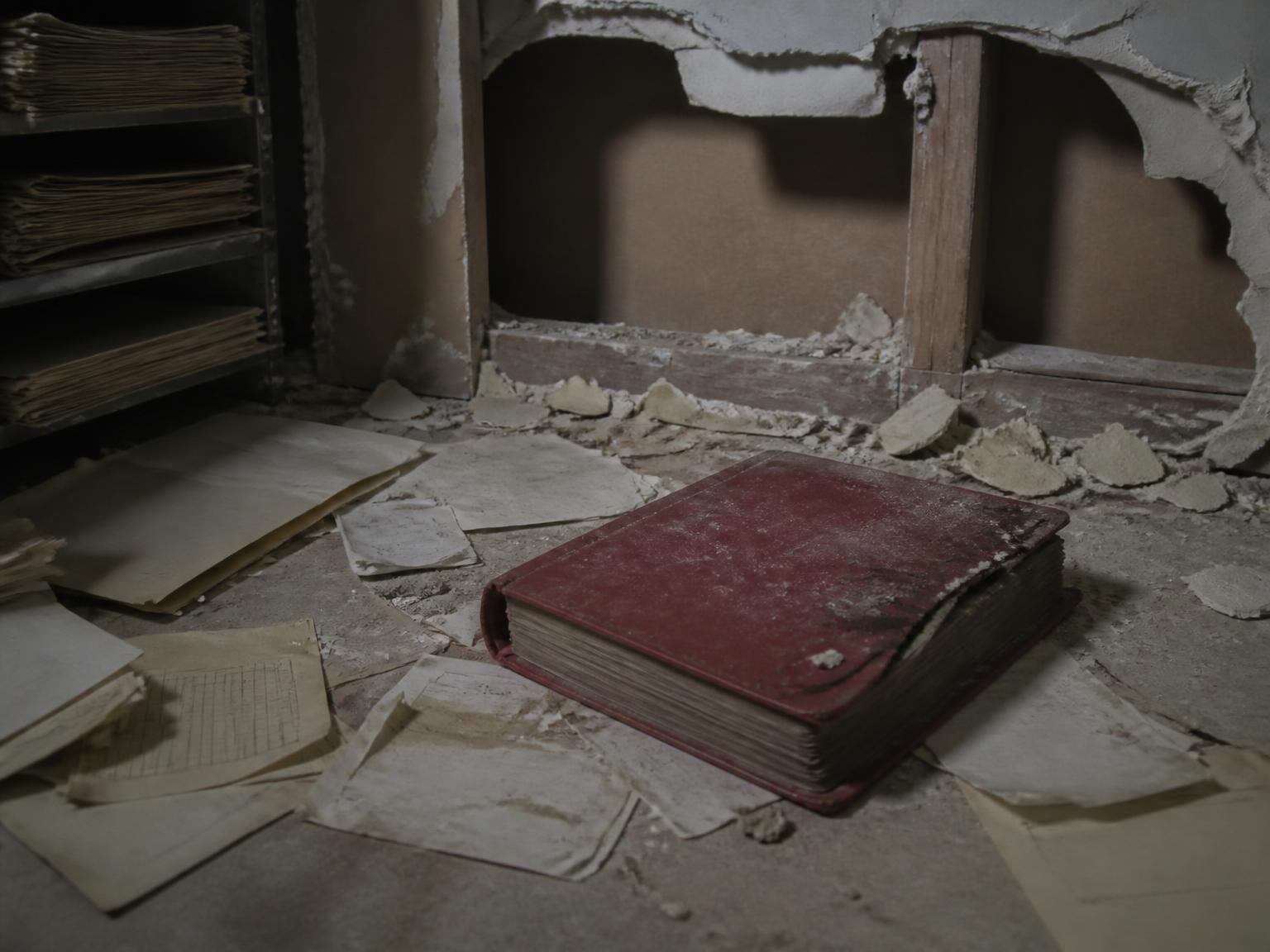
A finance director disappeared with £148,000. Eighteen years later, the money is still missing—but she is not.
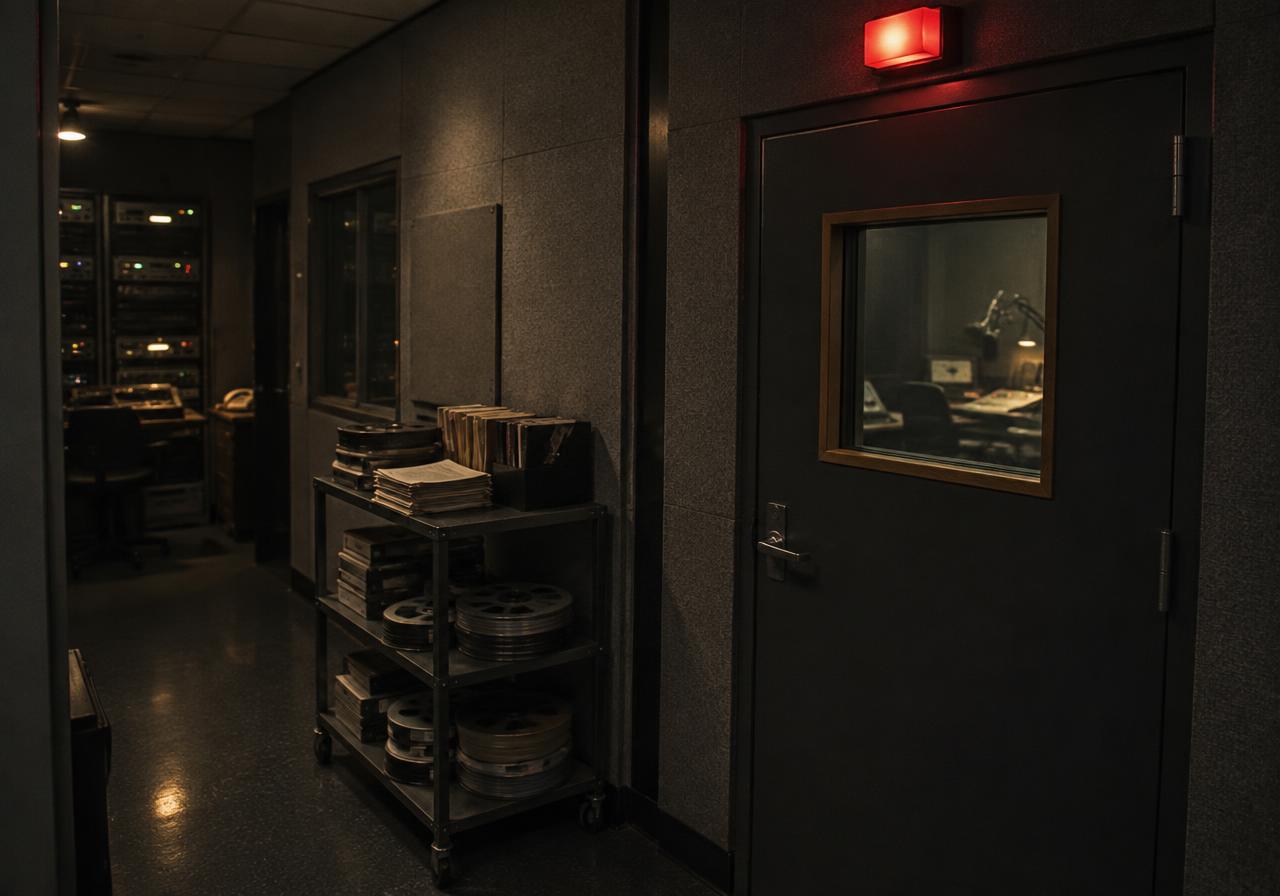
Thousands heard a presenter die on live radio. A mislabelled tape says otherwise.
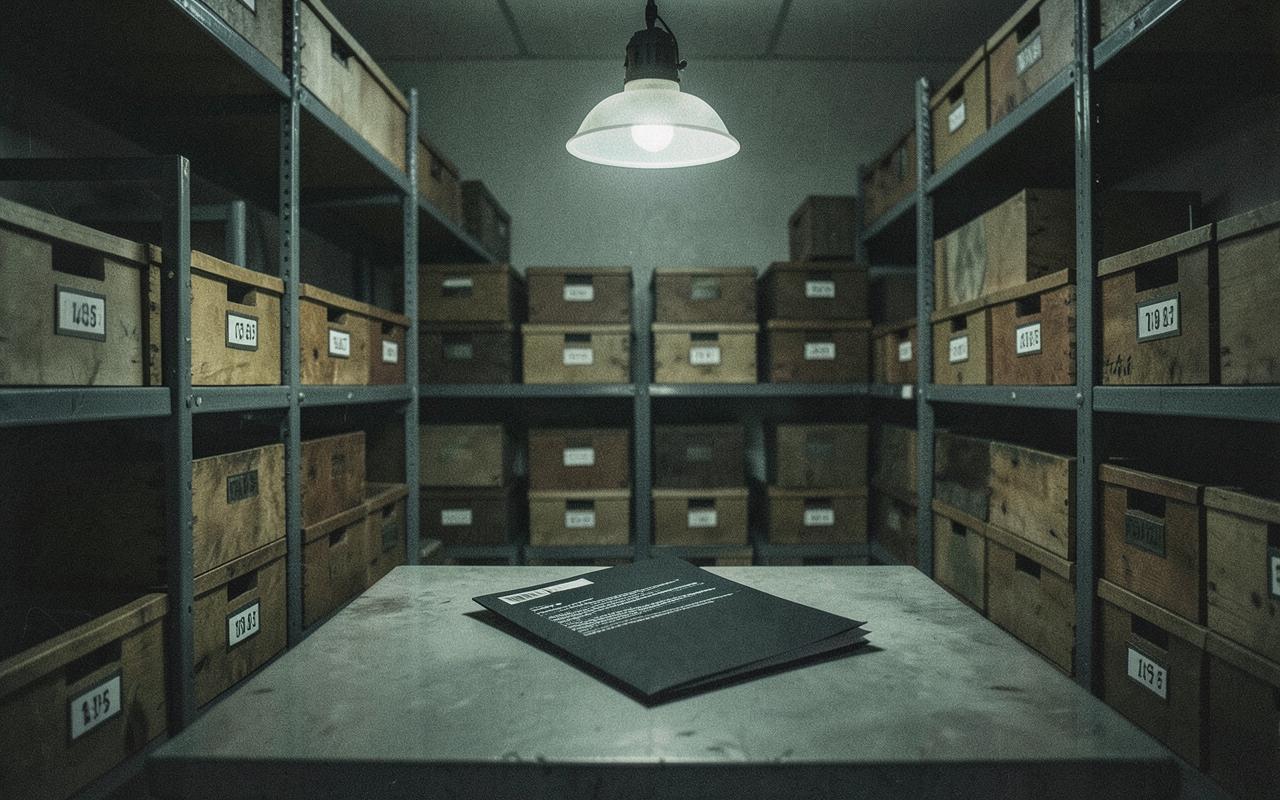
A body sealed in a police evidence archive was identified as the missing archivist. DNA says otherwise.
Volume 2
The archive is crossing the Atlantic.
Volume 2 is now open. Cases 11 to 14 are open — the first of ten American cases.
Investigative development
Every file develops a different investigative instinct. Early cases teach you how to read the record. Later cases ask you to challenge it. By Case 10, you are no longer following an investigation—you are running one.
Evidence discipline
Separate established facts from assumptions and construct your first defensible timeline.
Corroboration
Test witness accounts against physical records and recognise when testimony cannot stand alone.
Contradiction mapping
Compare overlapping alibis, isolate impossible accounts and separate motive from opportunity.
Spatial reconstruction
Use access points, movements and physical spaces to expose a route nobody recorded.
Competing hypotheses
Keep several explanations alive, test each one and actively disprove the theory that merely feels right.
Source analysis
Interrogate recordings, timestamps and edited material without assuming the technology is telling the whole truth.
Record integrity
Determine which institutional records can be trusted, what has been altered and what was never recorded at all.
Systems reconciliation
Connect financial, access, print and vehicle records while separating the central crime from the lies surrounding it.
Investigative judgement
Challenge an assumed timeline and test whether apparently objective evidence is what it claims to be.
Case command
Combine every method you have learned, test the provenance of the record itself and falsify your own theory.
The experience
A focused investigative workspace combines tactile source material with tools built for comparison, chronology and careful reasoning.
Scene examination
The compartment was secure on arrival. One overcoat remained on seat 12A. No passenger answered the guard’s call.
Timeline conflict
22:14 — Two statements place the same person in different locations.
Connections, chronology, contradiction
Pin exhibits, test accounts against known movement, preserve working theories and return to every decision. The desk records what you discover without deciding what it means.
Movement maps
Gated interviews
Private notes
Audio evidence
DS Vale · Investigative analyst
DS Vale can compare unlocked evidence, challenge assumptions and analyse the timeline you build. The sealed solution remains inaccessible: Vale cannot reveal what you have not proved.
“There is a discrepancy between the station clock and the guard’s account. Which source do you consider more reliable, and why?”
Private case continuity
Every investigation is securely saved to your private detective account and restored when you return—from the same device or another.
Caseload awaiting assignment
Ten investigations. Hundreds of exhibits. Nobody is going to tell you which detail matters.
FAQ
No. Every Case Desk investigation is fictional. Volume 1—The Ravenshire Files—is set within a fictional British county and its surrounding communities. Volume 2—The American Files—is now open and will contain ten fictional investigations from across the United States. The settings are designed to feel authentic, but all characters, locations, organisations and events are invented.
Each Case Desk volume contains ten complete cold-case investigations connected by a shared geographical setting and atmosphere. Cases become progressively more demanding, while your scores, progress and certificates remain preserved across every volume. Volume 1 contains The Ravenshire Files. Volume 2, The American Files, is now open — Cases 11 to 14 are open: The County Line, The Salt Line, The Night Shift and Switchback — and will contain ten American cases.
No. DS Vale analyses only the evidence you have unlocked.
Yes. Each investigation introduces a different kind of reasoning—from evidence discipline and corroboration to conflicting timelines, altered records and competing theories. Later cases combine several methods at once, but every solution remains fully supported by the evidence inside the case.
Yes, every case is saved privately to your account.
Yes, each detective has an independent profile, progress and certificates.
Approximately 1–8 hours, with difficulty increasing across the caseload.